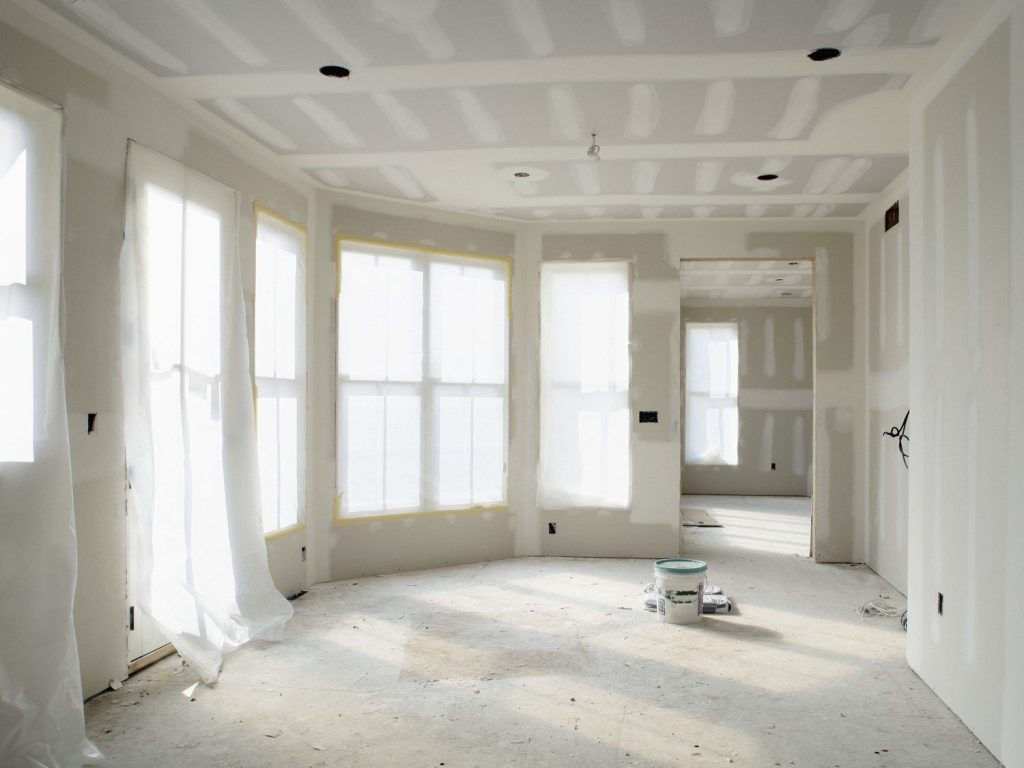
Top 5 Drywall Mistakes to Avoid in Large Residential Projects: Safeguarding Your Investment in Victoria, BC
Embarking on a custom home build or an extensive home remodel on Vancouver Island is a thrilling journey. However, the sheer scale of modern custom homes means that minor sequencing errors or technical shortcuts can rapidly turn into systemic, budget-busting structural challenges. Among the dozens of trades that pass through a job site, few carry as much hidden influence over the final aesthetic and structural longevity as your drywall team.
In large-scale home renovations, drywall forms the foundational background for every single interior detail. Yet, because it is often viewed as a straightforward commodity, developers and homeowners frequently fall into critical traps. Whether you are modernizing a historic estate in Oak Bay, opening up a mid-century layout in Saanich, or building a brand-new contemporary home in Langford, avoiding common installation blunders is essential for securing a high-quality finish.
Working with expert drywall contractors who understand structural movement, local climate dynamics, and advanced finishing standards makes all the difference. Below, we break down the top five critical drywall mistakes to avoid on large residential builds, helping you keep your project on schedule, within budget, and structurally sound for the long haul.
Mistake 1: Skipping the Framing Audit and Ignoring Structural Movement
One of the most common mistakes made during a standard wallboard installation is hanging gypsum panels directly onto unverified wood framing. In a smaller room, a slightly warped stud can easily be masked or overlooked. However, in luxury residential projects featuring expansive open-concept designs, long corridors, and towering walls, framing defects have nowhere to hide.
Wood is a natural, dynamic material. The timber used by framing crews on Vancouver Island often carries varying levels of moisture. As a house undergoes its initial heating cycles and settles into the local climate, these studs will dry out, twist, bow, and contract. If a drywall team fails to audit the walls before hanging the sheets, these underlying movements will telegraph directly through to the finished surface.
Professional Insight: Before lifting a single sheet of plasterboard, a professional installation crew conducts a comprehensive framing audit. Using advanced straightedges and laser levels, they identify bowed studs, crowned joists, and out-of-plumb corner configurations. They then shim, plane, and adjust the framing to create a perfectly flat plane, preventing structural settling drywall repairs down the road.
Failing to prep the framing leads to common issues like prominent waves along long walls, misaligned baseboards, and severe joint cracking as the home naturally settles over the seasons. Taking the time to establish a flat, true plane upfront safeguards your entire investment and ensures a flawless finish.
Mistake 2: Poor Material Selection for a Humid Coastal Climate
Victoria’s mild, damp coastal climate brings unique challenges to interior home construction. High relative humidity levels mean that interior moisture management must be a top priority during any renovation or custom home build. A major pitfall in high-end construction is utilizing a one-size-fits-all approach to your drywall material selection.
Installing standard gypsum board in moisture-prone zones is a costly mistake that easily leads to sagging ceilings, failing joints, and serious indoor air quality issues. Premium homes require a thoughtful mix of specialized, high-performance wallboard materials tailored to the specific demands of each space.
Recommended Drywall Specifications for Coastal BC Construction
| Application Zone | Material Specification | Performance Benefit |
|---|---|---|
| Standard Living & Bedrooms | 1/2-inch High-Quality Standard Gypsum | Provides a solid, uniform surface ideal for standard matte and eggshell paint finishes. |
| Bathrooms, Laundries & Mudrooms | 1/2-inch Mold-Resistant Gypsum Board | Specially treated core and water-repellent face paper prevent moisture absorption and mold growth. |
| Attached Garages & Mechanical Rooms | 5/8-inch Type X Drywall | Reinforced with glass fibers to deliver strict, code-compliant fire separation performance. |
| Media Rooms & Secondary Suites | Acoustic Panels / Soundproofing Walls | High-density assemblies combined with specialized viscoelastic polymers damp sound transmission. |
Beyond choosing the right boards, managing your vapor barrier installation is absolutely vital. In our damp coastal climate, the vapor barrier must be completely sealed around electrical outlets, window boxes, and structural transitions before drywall is installed. Any gaps in the barrier can allow warm, humid indoor air to escape into cold wall cavities, causing interstitial condensation that ruins insulation and triggers structural rot.
Mistake 3: Overlooking Acoustic Isolation and Soundproofing Requirements
Modern luxury homes often feature open-concept layouts, high vaulted ceilings, and hard surface flooring like engineered hardwood or polished concrete. While these design choices look spectacular, they can easily turn a home into an echo chamber if acoustic planning is overlooked during the early stages of construction.
A frequent error in house remodeling Victoria projects is treating soundproofing as an afterthought or assuming standard insulation inside the walls is enough to block noise. True acoustic comfort requires a multi-layered approach built directly into the drywall assembly before the final mudding and taping phases begin.
Failing to prioritize acoustic isolation often creates ongoing noise issues, especially in high-traffic layouts:
- Multi-Generational Homes: Footsteps, voices, and television audio easily travel through floors and shared walls, disrupting quiet areas.
- Dedicated Home Offices: Inadequate wall density can let household noise bleed into workspaces, causing constant distractions during remote calls and meetings.
- Income Suites: Meeting strict secondary suite regulations Victoria guidelines requires specific sound dampening between units. Relying on basic drywall often results in tenants and homeowners constantly overhearing each other.
To avoid these sound transmission issues, professional drywall installers integrate specialized materials like Sonopan panels or sound-dampening drywall combined with resilient channels. A professional taping crew will also seal the entire perimeter with acoustic caulking, closing the tiny air gaps where sound waves easily leak through. For official guidelines on modern noise control practices in multi-unit buildings, builders can review the acoustic performance updates published by the National Research Council Canada.
Mistake 4: Choosing the Wrong Level of Finish for High-Lighting Areas
A common point of frustration for homeowners occurs during the final painting phase, when bright natural light reveals visible joint lines, waves, or imperfections along the walls. This issue is almost always caused by selecting a standard Level 4 finish for spaces that actually require a premium Level 5 drywall finish.
A Level 4 finish—which includes three separate coats of compound over joints and fasteners—is perfectly adequate for walls covered in flat paints or heavy textures. However, modern architectural trends favor massive windows, skylights, and sleek minimalist spaces. When bright, raking light sweeps across a wall, it magnifies every single texture change between the raw paper of the board and the mudded seams.
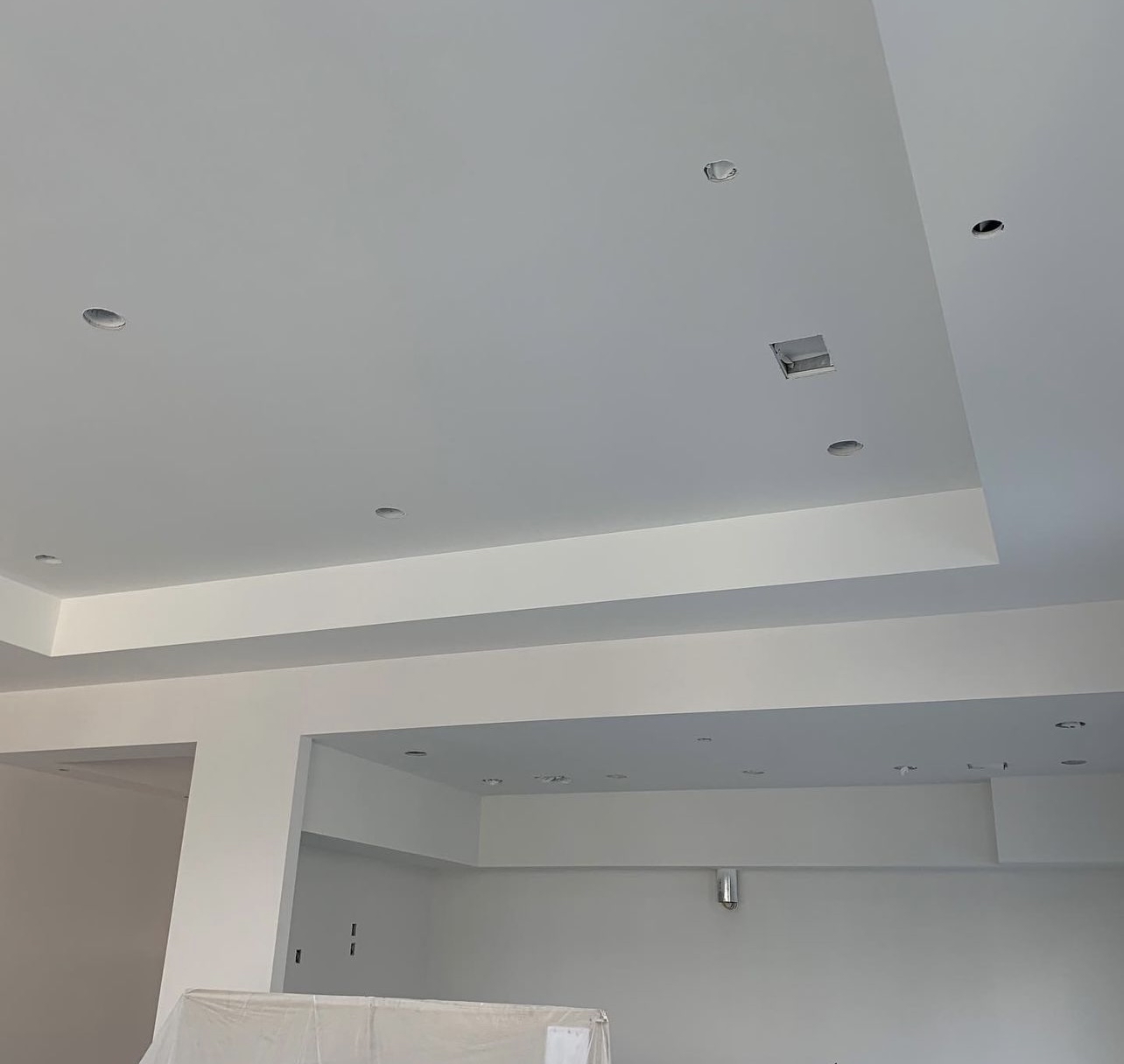
To achieve a truly seamless, high-end look in custom homes, a full Level 5 finish is the industry benchmark. This process involves applying a thin, uniform skim coat of wall smoothing compound over the entire surface of the wall and ceiling. This extra layer balances the porosity across the entire plane, ensuring that paint absorbs at a completely uniform rate. Skipping this step in bright, open spaces often results in “flashing” or visible joint mapping, ruining the clean, luxury look you are paying for.
Achieving this level of perfection requires specialized tools and deep technical expertise. Premier drywall teams rely on high-end automatic taping tools, specialized flat boxes, and precise corner bead installation systems to ensure compound is distributed perfectly evenly, minimizing shrinkage and eliminating cracks along butt joints and flats.
Mistake 5: Rushing the Curing Process and Subpar Sanding Techniques
In any major custom build or renovation, drywall sits right at a critical project bottleneck. It acts as the gatekeeper between rough-ins and finishing trades. Because of this, project managers are often tempted to rush the drywall crew through mudding, taping, and sanding to get other trades back on site.
Rushing the mudding phase, however, is a recipe for long-term failure. Each coat of joint compound must dry completely before the next layer is applied. In our humid coastal environment, compound dries from the outside in. If a crew applies a fresh coat over mud that is still damp underneath, that trapped moisture will eventually cause the joint to shrink, buckle, crack, or bubble long after the painters have packed up and left.
Beyond rushing the dry times, using old-school, aggressive sanding techniques can permanently damage the gypsum board. Rough hand-sanding often tears up the delicate face paper of the drywall, creating a fuzzy texture that shows through final paint coatings.
To prevent these issues, expert drywall companies utilize modern dustless drywall sanding systems. These advanced tools use HEPA-filtered vacuums attached directly to the sanding heads, capturing fine dust immediately. This setup protects your indoor air quality, protects the integrity of the drywall paper, and leaves behind a pristine, mirror-smooth surface ready for priming and painting. For detailed criteria on indoor environmental safety and material emissions during home builds, contractors can reference the standards maintained by the Greenguard Environmental Institute.
The Compounding Cost of Drywall Errors: Why Rework is Expensive
When planning a major home renovation budget, it’s always tempting to try and cut costs by searching for the lowest possible drywall cost per square foot Victoria quote. However, drywall is one of the most unforgiving trades in the industry; poor craftsmanship at this stage will negatively impact every trade that follows.
If your drywall crew leaves behind uneven walls and out-of-square corners, the subsequent finishing trades will spend double the time trying to fix or hide those mistakes:
- Finish Painters: Painters will be forced to spend days applying heavy coats of primer or performing extensive spot-patching to hide bad seams, driving up your labor costs.
- Trim Carpenters: Carpentry teams will have to spend hours custom-planing, shimming, and scribing baseboards, casings, and crown moldings to fit against wavy walls.
- Cabinet Installers: Installing modern, flat-backed custom cabinetry against an uneven wall becomes an expensive puzzle, often requiring custom adjustments to avoid ugly gaps.
By investing in a premium, professional installation up front, you avoid these expensive delays and ensure your project moves forward smoothly, protecting both your timeline and your overall investment.
Partnering with the Right Drywall Team in Victoria, BC
A large-scale home renovation or custom build represents a major financial and emotional investment. Don’t let the final look of your home be compromised by sub-par wall and ceiling preparation. Whether your project requires a complete ceiling texture removal, intricate coffered ceiling drywall details, a clean shadowline drywall trim, or a flawless Level 5 skim coat, working with an experienced team is the key to a beautiful, long-lasting result.
Look for an established drywall contractor near me that brings deep material expertise, specialized tools, and a dedication to clean, dustless job sites. By partnering with dedicated professionals who treat drywall installation as a true craft, you ensure your home’s interior surfaces remain beautifully smooth, durable, and structurally sound for years to come.